



Blueberry Primary School Automatic Gates | Mere UK
School Gates, Liverpool
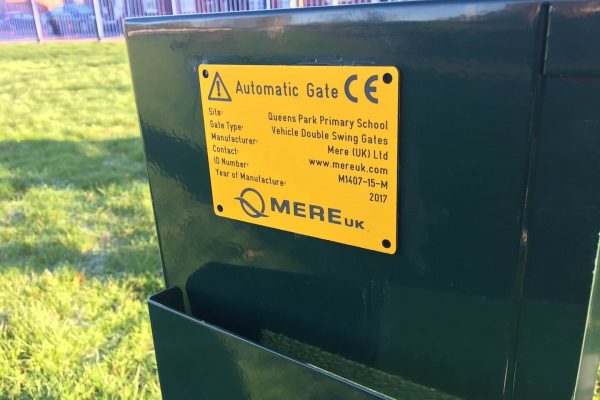
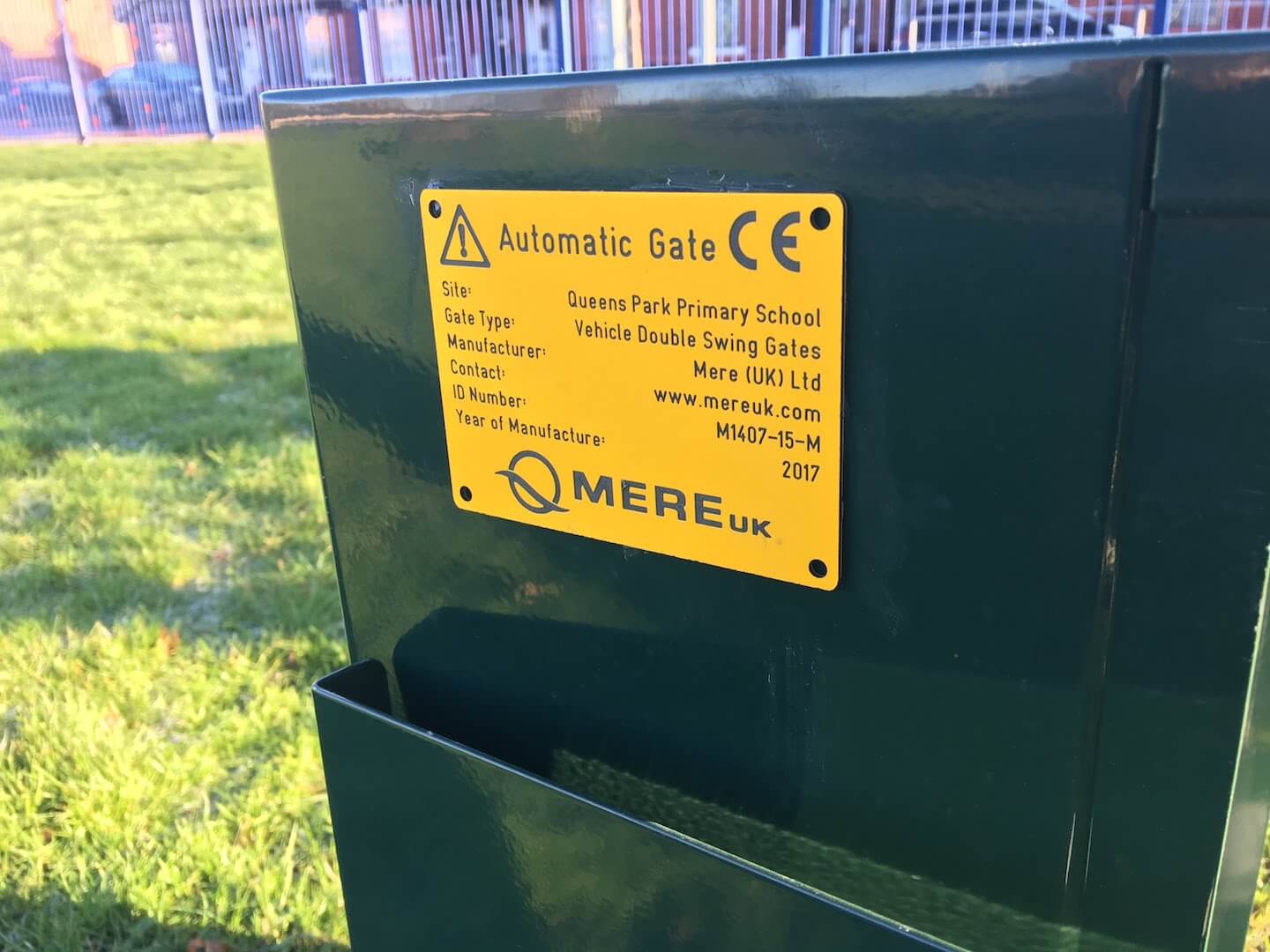
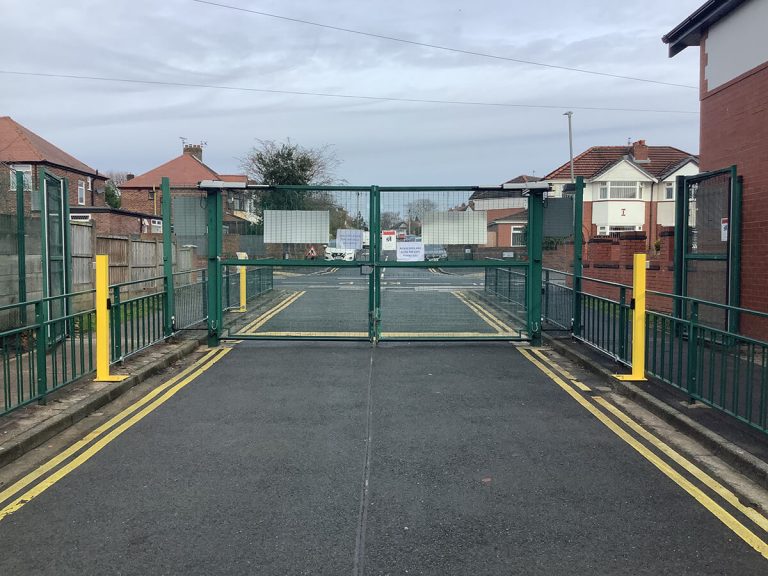
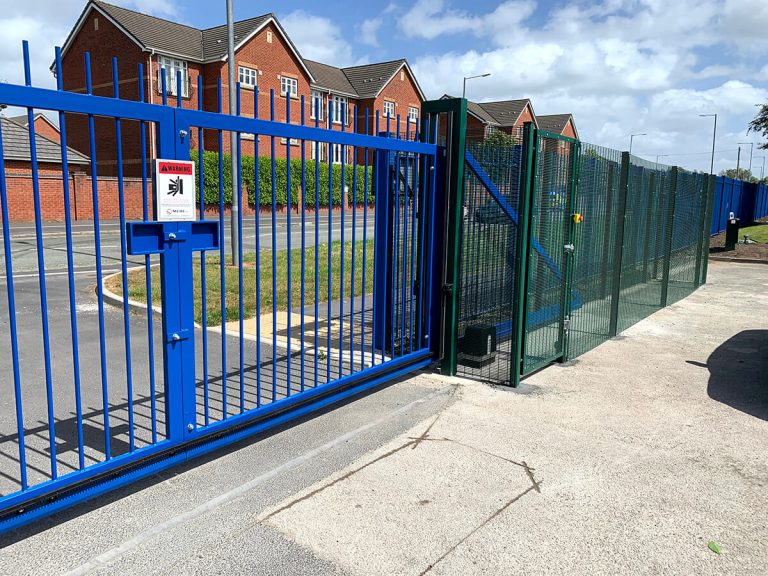
Mere UK completed the installation and commissioning of an automatic vehicle gate and controlled pedestrian entrance at Queens Park Primary School in St Helens. The project was designed to improve site security while creating a safer and more clearly defined access arrangement for vehicles and pedestrians.
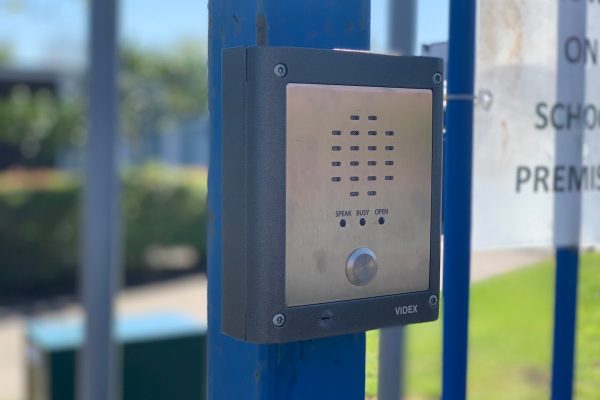
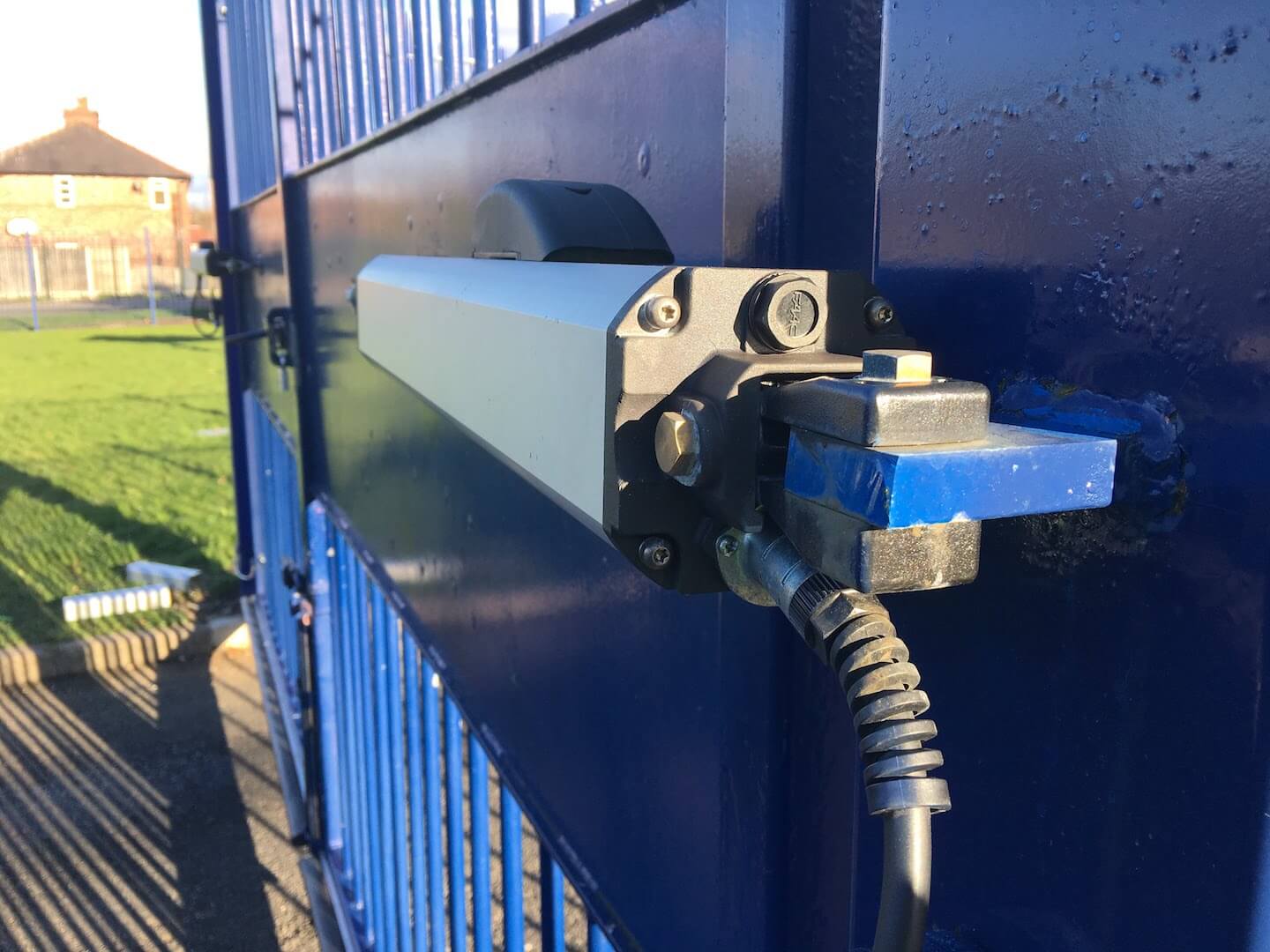
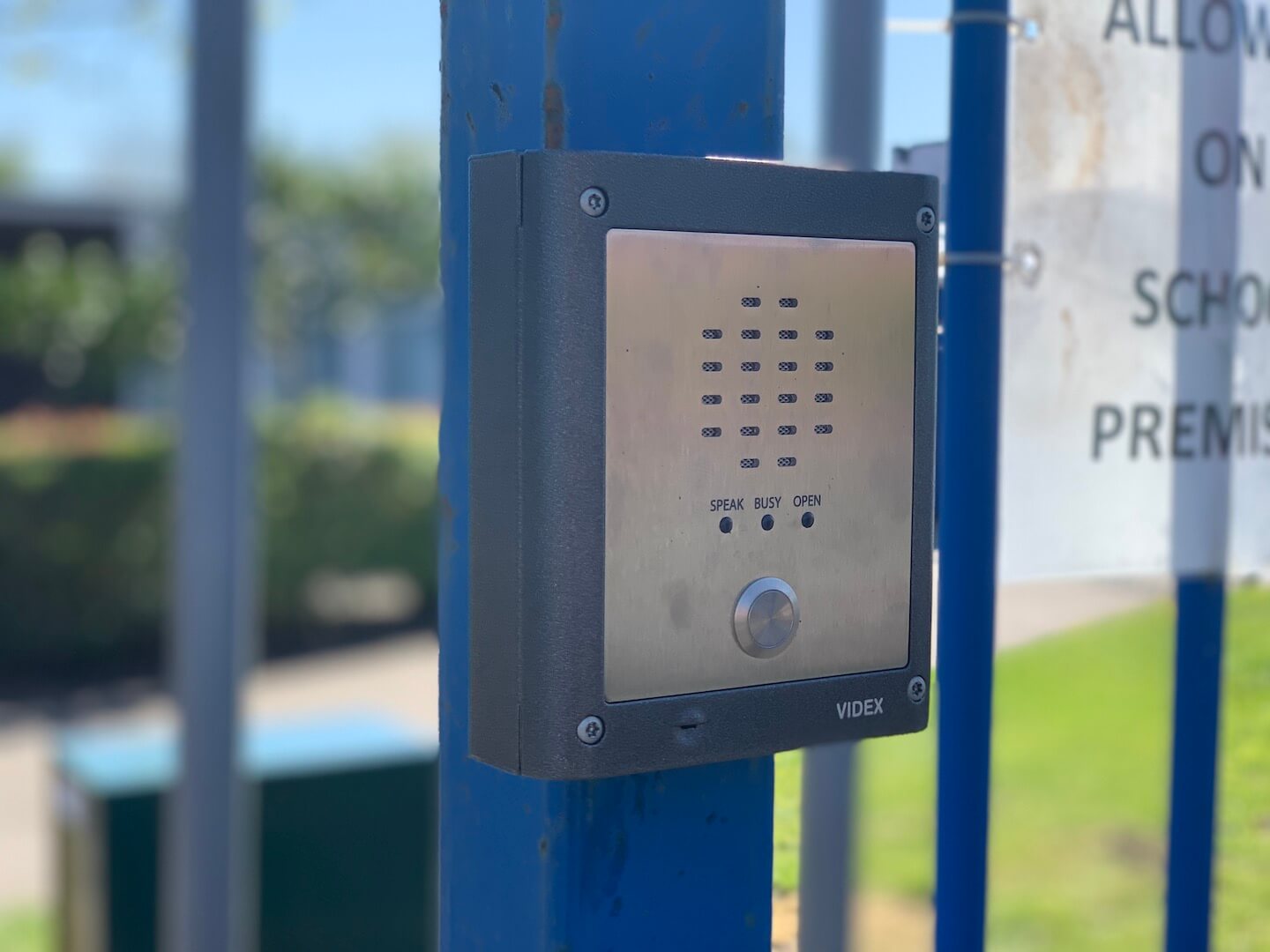
The existing vehicle entrance gates were automated using FAAC gate automation equipment, with access managed through a Paxton Net2 access control system. Visitor access was provided using a Videx intercom system monitored from the school reception. Pedestrians were deliberately directed away from the automated vehicle entrance and towards a separate controlled pedestrian gate, helping to reduce interaction between vehicles and foot traffic at the school entrance. The completed system provided Queens Park Primary School with a practical, controlled and secure entrance solution for staff, visitors, deliveries and pedestrians.
Client: Queens Park Primary School
Location: St Helens, Merseyside
The works at Queens Park Primary School included:
The vehicle entrance was designed to allow vehicles to enter the school grounds and clear the main road before requesting access.
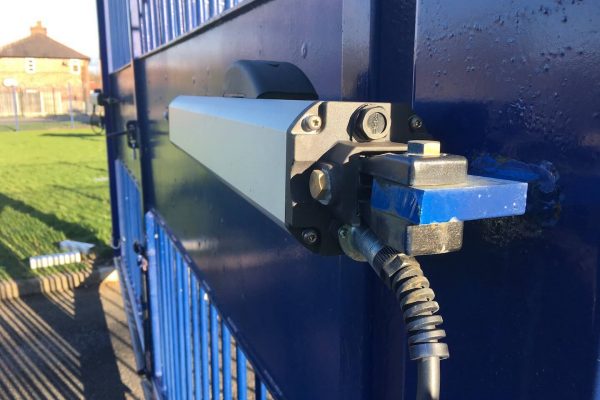
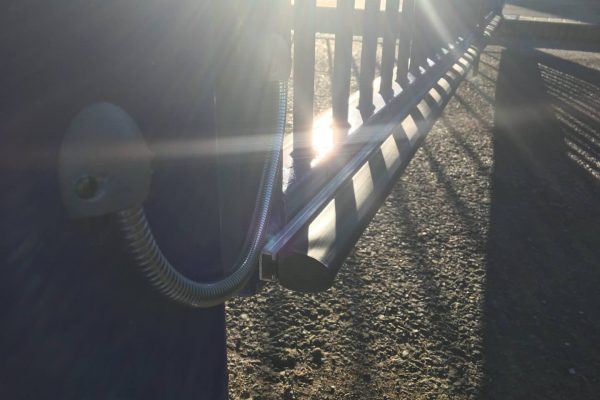
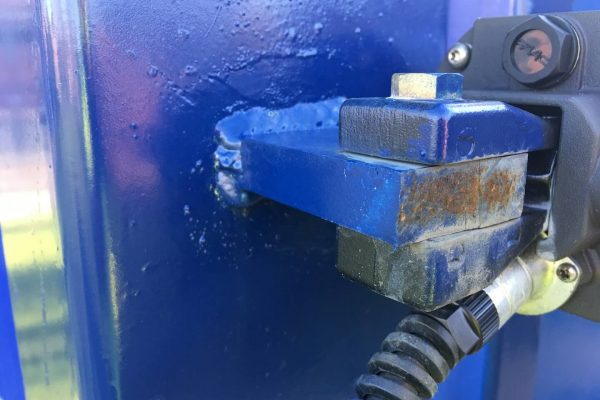
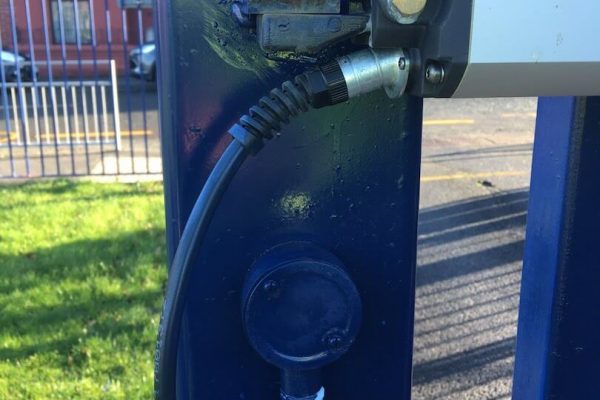
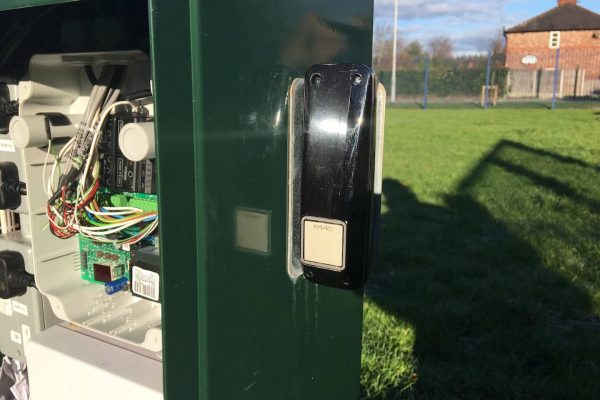
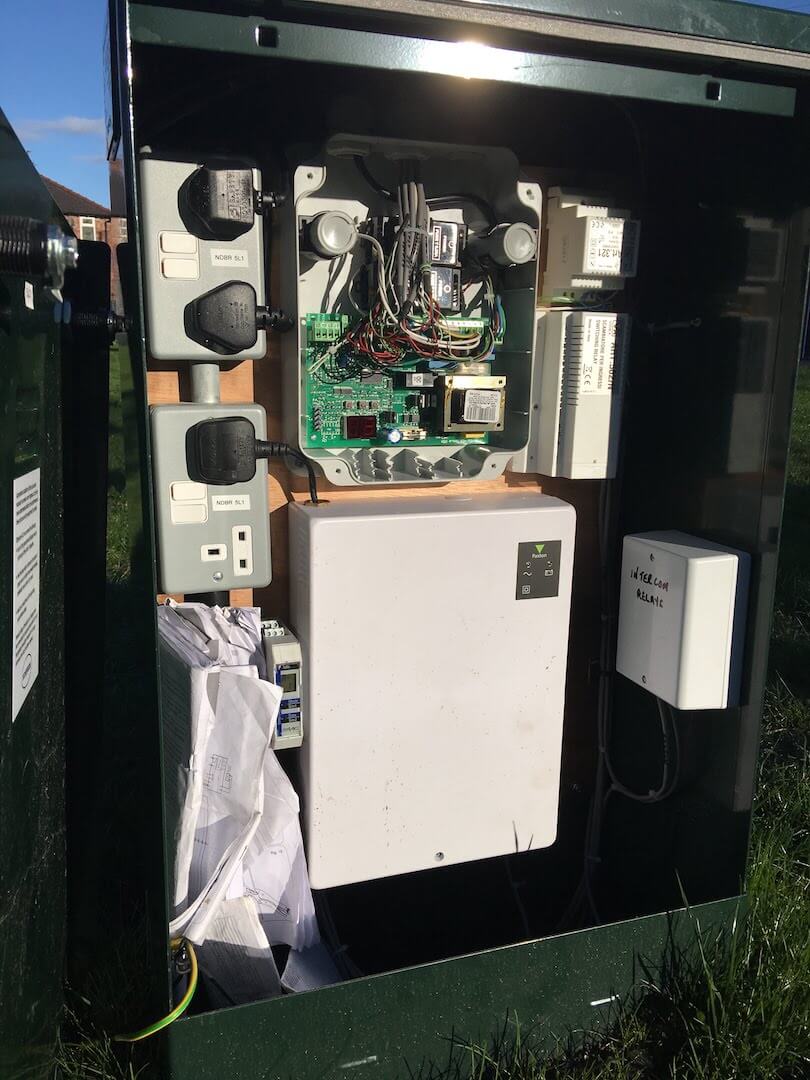
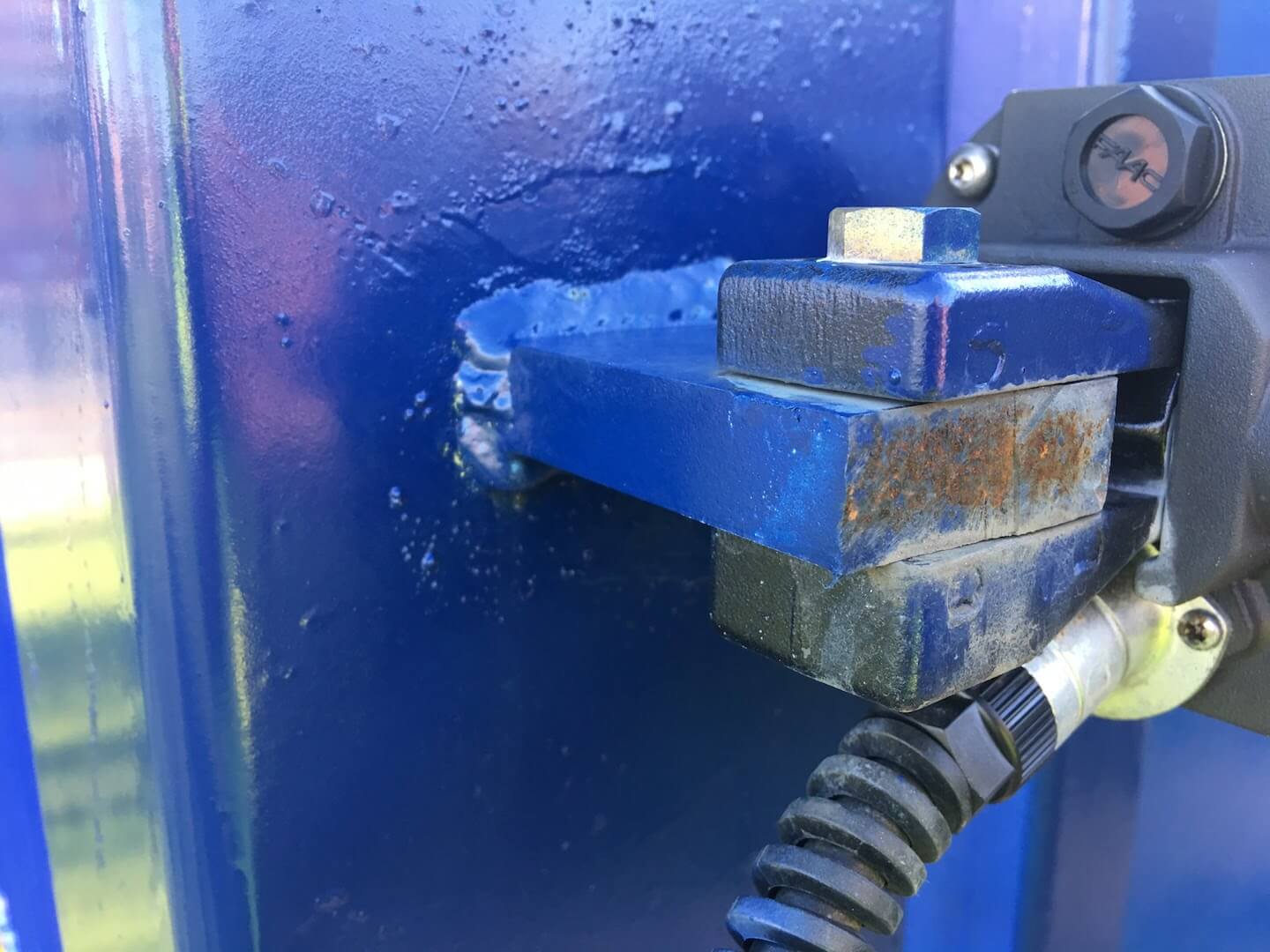
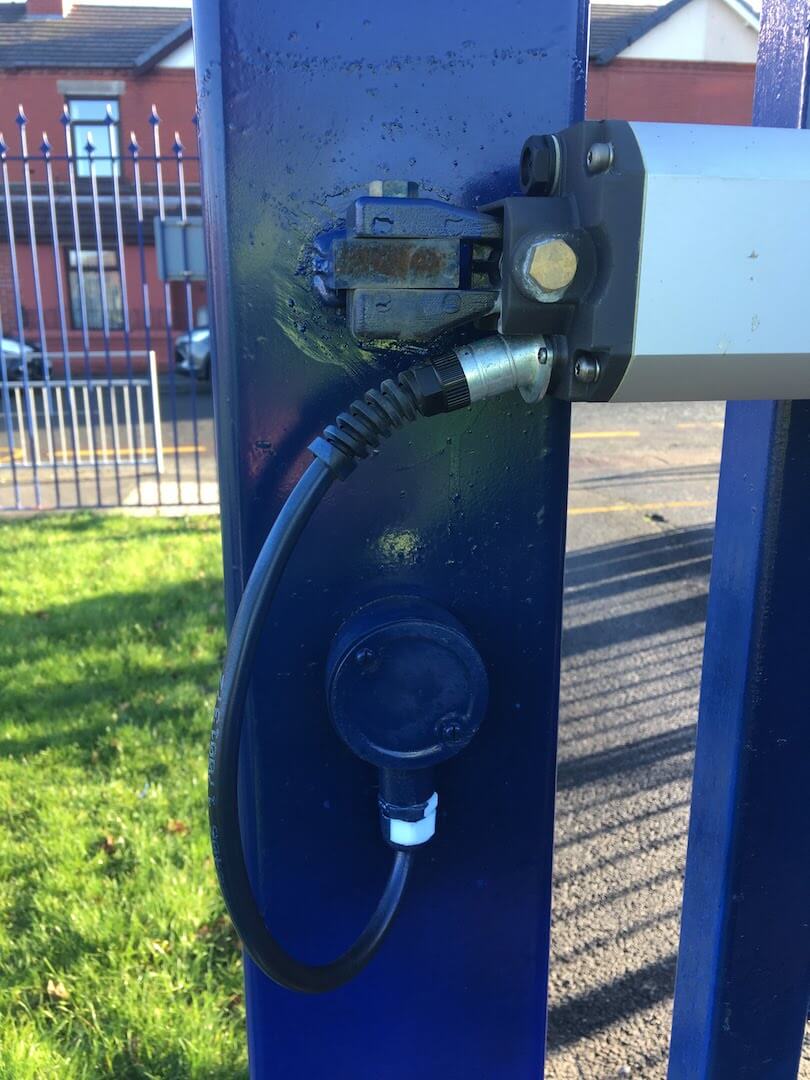
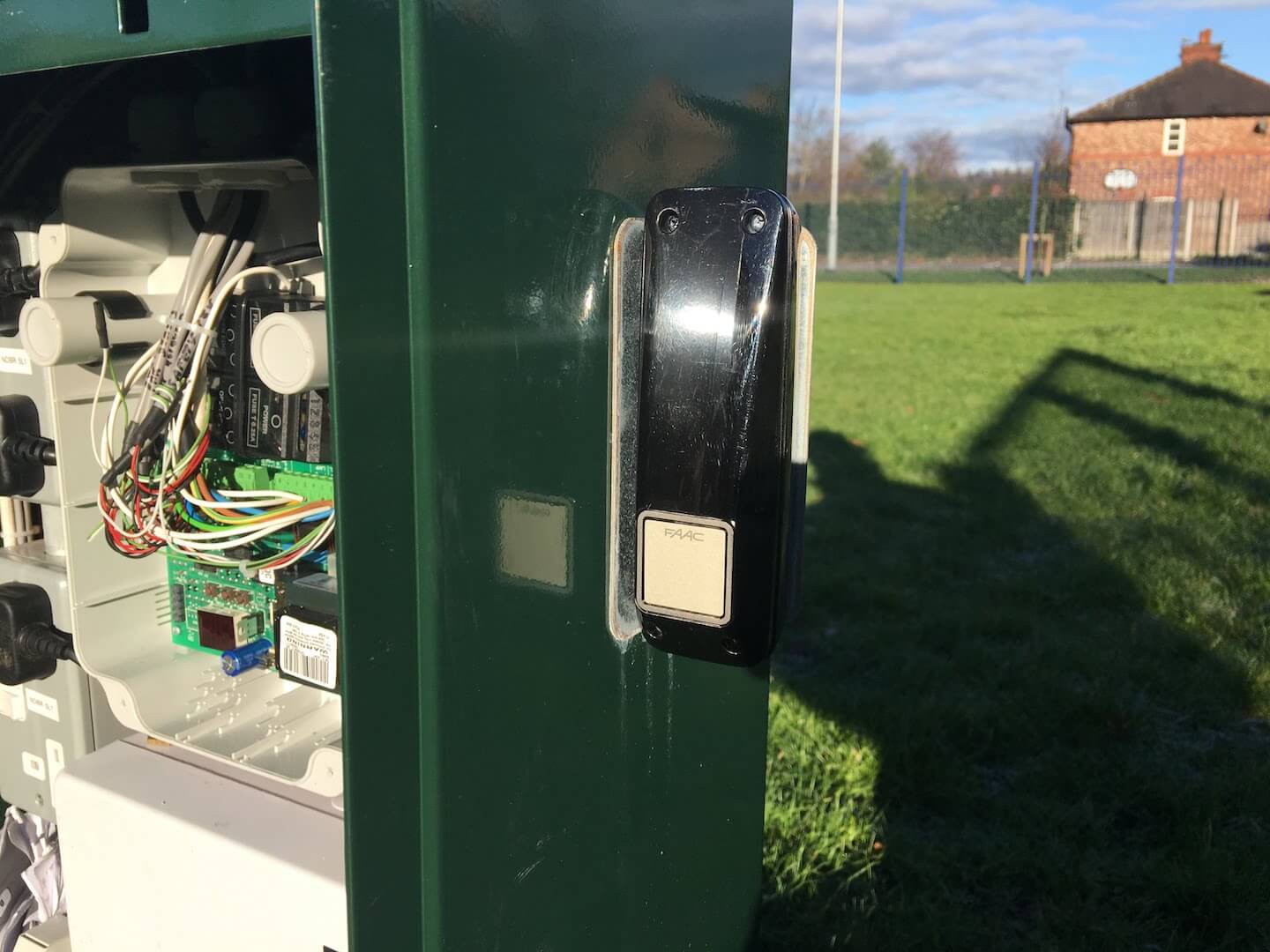
The existing gates were automated using two FAAC 400 CBAC automatic gate operators, controlled by a FAAC 455D control panel.
Staff access through the vehicle entrance was managed using the Paxton Net2 access control system, while visitors and deliveries could request entry through the installed Videx intercom system monitored from the school reception.
Exit from the secure side of the vehicle gates was controlled using vehicle induction loops installed within the school grounds.
An override key switch was also incorporated into the system to allow authorised manual control when required.
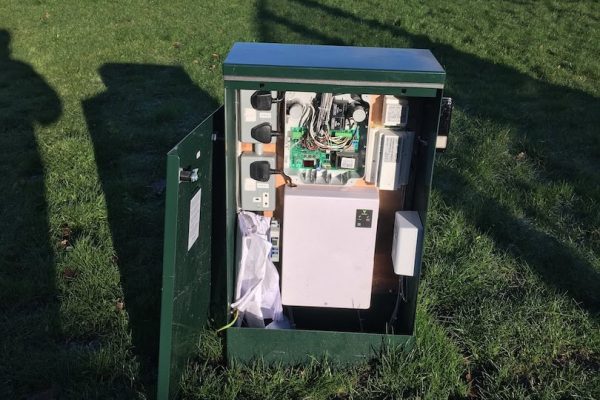
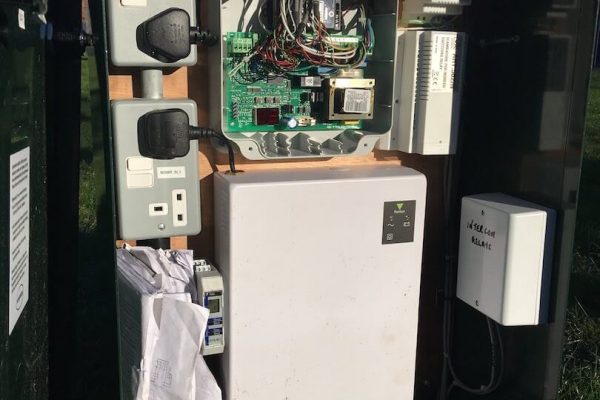
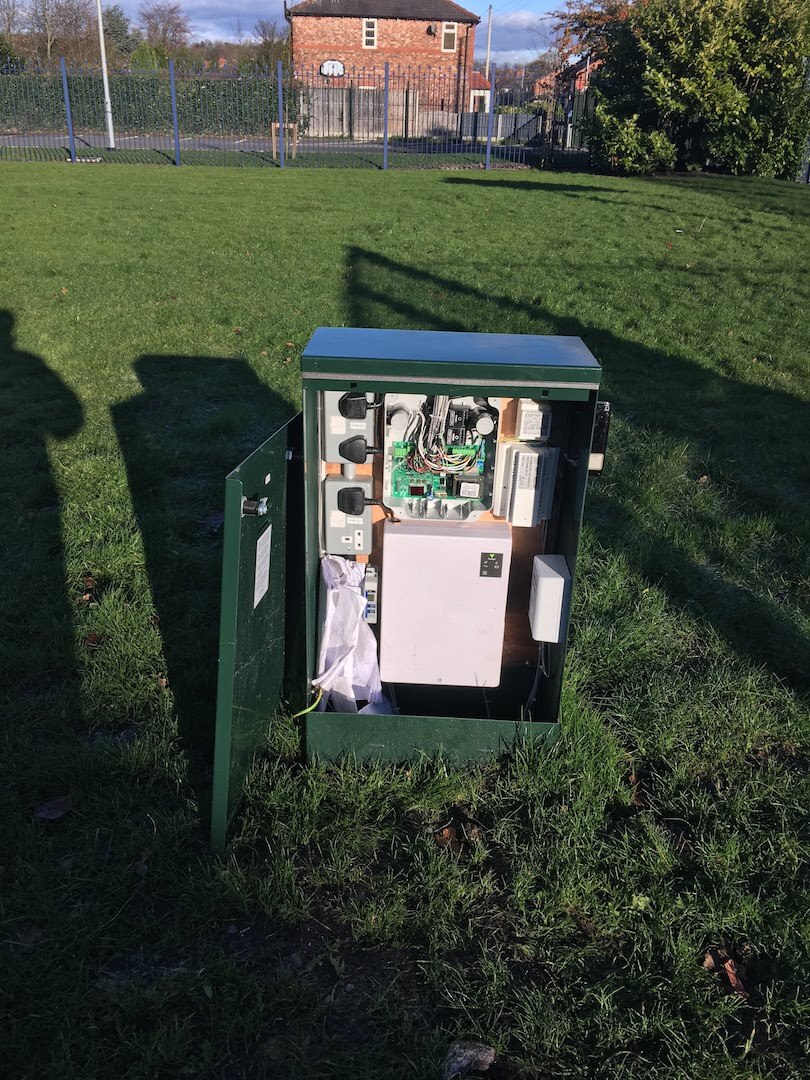
A dedicated 240V electrical supply was installed for the gate equipment, while a Ritherdon enclosure was used to house the associated control equipment locally to the entrance.
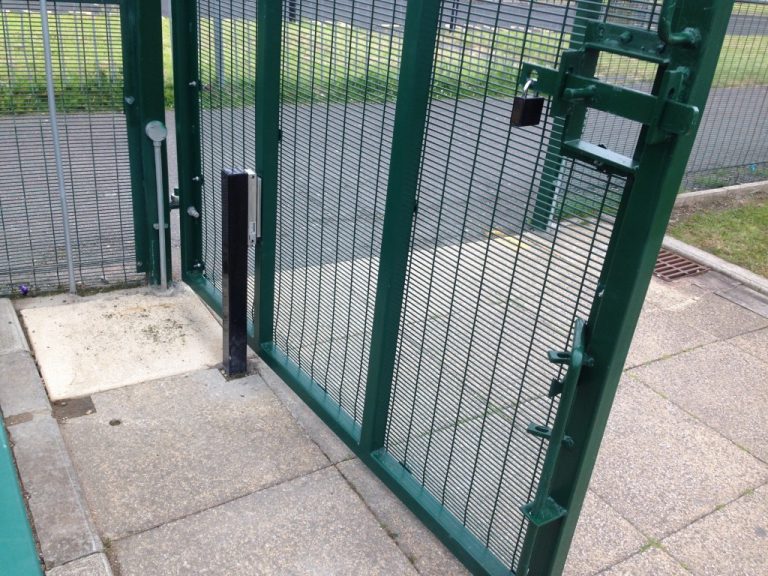
As part of the overall access strategy, pedestrians were separated from the automated vehicle entrance and directed towards a dedicated pedestrian gate.
The pedestrian entrance incorporated Paxton Net2 access control, allowing authorised staff to gain entry using the school’s access control system.
Visitors could request access using the installed Videx intercom, with calls monitored by school reception.
Exit from the secure side was provided by a weather-resistant exit button mounted on a high-visibility pedestal.
An override key switch was also installed to provide authorised manual control of the pedestrian entrance when necessary.
Separating pedestrian and vehicle access was an important part of the project design.
By directing foot traffic towards a dedicated pedestrian entrance, the installation reduced the need for pedestrians to use the automated vehicle gateway and created a clearer access arrangement for pupils, staff, visitors and deliveries.
The combination of FAAC automatic gate equipment, Paxton Net2 access control and intercom communication provided Queens Park Primary School with a secure and manageable entrance system suited to the operational requirements of a busy school environment.
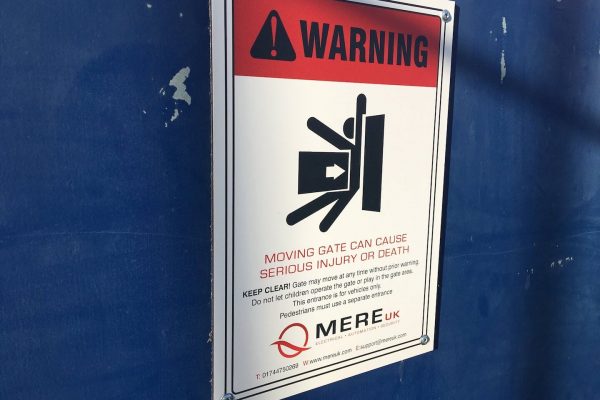
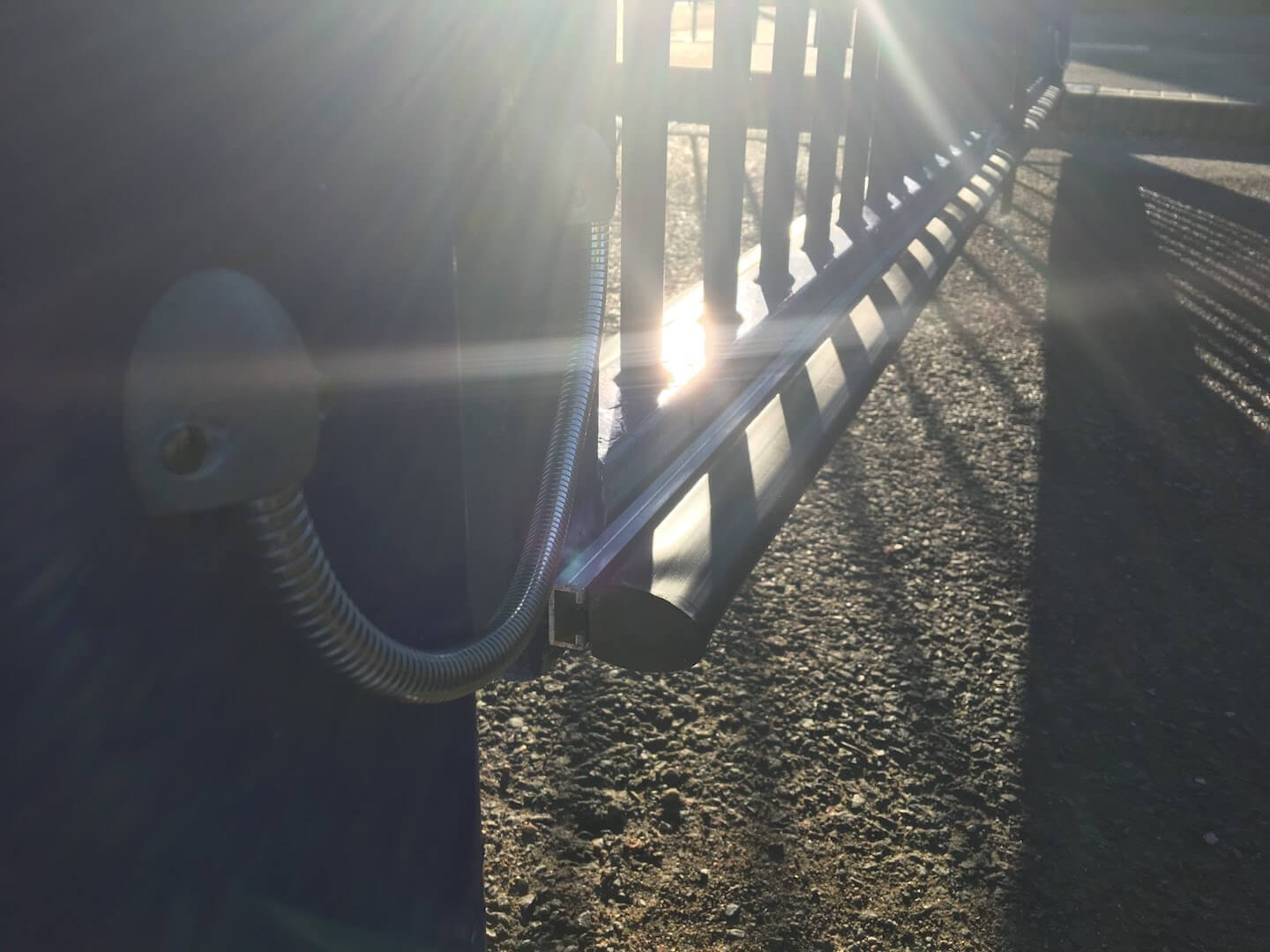
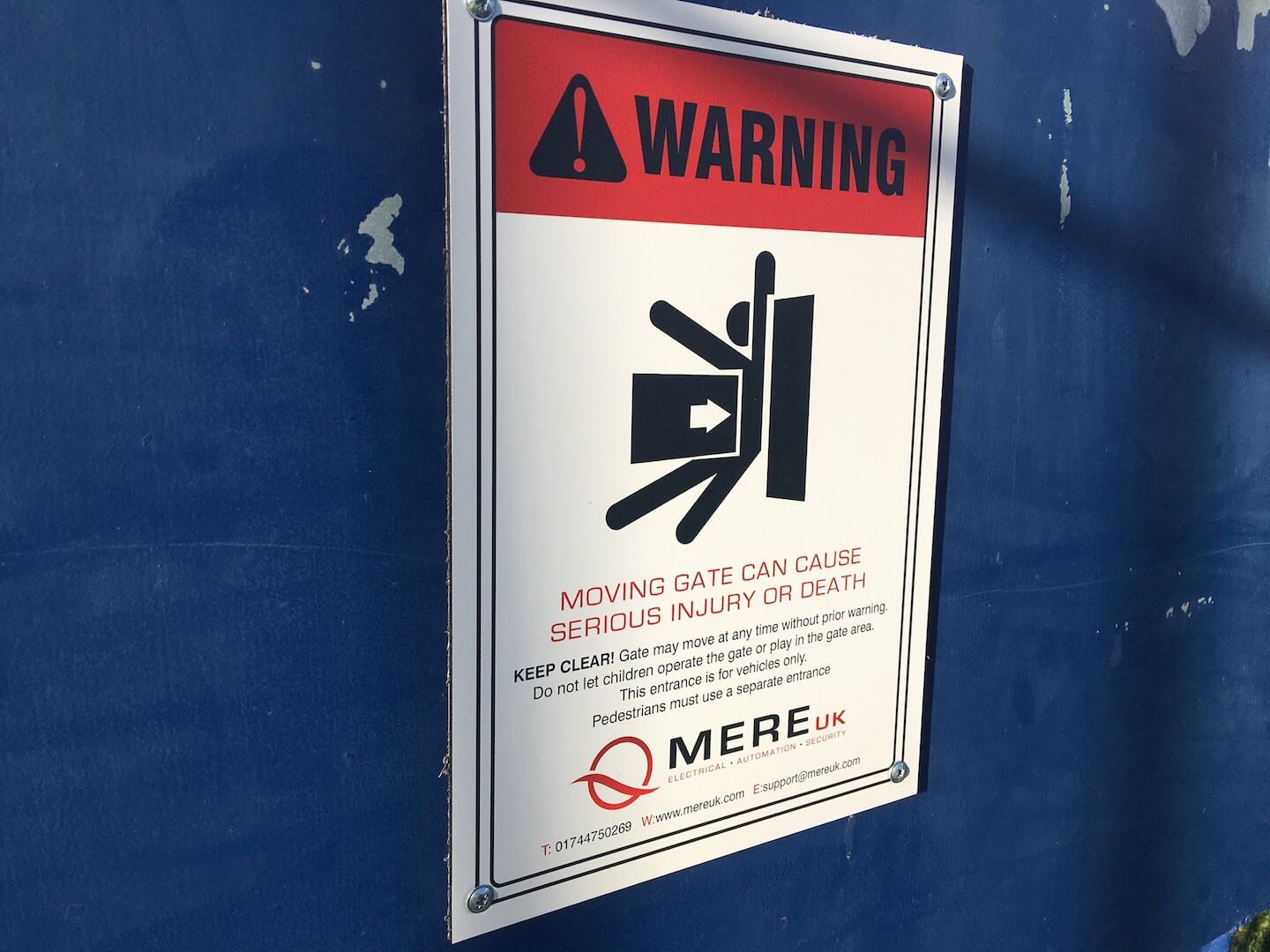
At the time of the installation, Mere UK carried out its automatic gate works in accordance with the relevant machinery and powered-gate safety requirements applicable to the project, including standards relating to safe operation, testing and safety-edge systems.
School Gates, Liverpool
Sports Facility Gates, St Helens
Sliding Gates Rainford, Merseyside
Millbrook Primary School, Shevington
Merton Bank Primary School, St…
CCTV installation and servicing in…
District Primary School, St Helens
Vehicle Gate at Cowley High…
Double Vehicle Swing Gate and…
Scholes Croft – Auto door…
Eurogold – Paramount Business Park
St. Edwards College - Liverpool
St. John Vianney Primary School…
St. James Primary School –…