
Access Control specialists for lockdown procedures
Keep people safe, meet UK guidance, and prove compliance with modern access control. From classrooms and wards to production lines and open-plan offices, the right system helps you prevent unauthorised entry, trigger rapid lockdowns, and coordinate a calm, accountable response.
What do “soft” and “hard” lockdowns mean?
-
Soft lockdown (invacuation): restrict entry, manage movement internally, and keep teaching/operations running while a potential threat is assessed. Typical actions: auto-locking perimeter doors, enabling staff badge-only access, and communicating “remain in place” messages.
-
Hard lockdown: immediate protective measures when there’s a confirmed threat: lock and secure doors, reduce movement/noise, deny entry, and use protected spaces until police give the all-clear. Plans should be trained, rehearsed and site-specific.
Why access control matters in lockdown
-
Instant site-wide actions: one-touch lockdown scenes that fail-secure external doors while preserving safe escape routes in a fire (BS/legislative egress rules still apply).
-
Zoned responses: treat classrooms, clinics, production areas, and receptions differently—lock some, keep critical routes open for first responders.
-
Audit & accountability: live door status, event trails, roll-call reports and mustering lists to support post-incident reviews and inspections.
-
Integrations that speed decisions: link to intruder alert, PAs, message boards, CCTV, radio/paging and mass-notification so everyone hears the same clear instruction.
Core components we typically specify
-
Networked door controllers with hard/soft lockdown macros (local fallback if the network fails).
-
Locks & turnstiles: fail-secure for perimeter; fail-safe on escape routes; request-to-exit devices and door position monitoring.
-
“Lockdown” triggers: wall buttons, mobile app roles, and alarm panel inputs with role-based permissions.
-
Mass-notification: pre-approved messages for invacuate, lockdown, all clear, with text, email, desktop pop-ups and PA tones.
-
Visitor, contractor & delivery controls: quick deny-list and badge revocation; airlock entries for receptions and loading bays.
Sector Specific Notes
Reinwood Junior School in Huddersfield, UK has been carrying out lockdown drills twice a year since 2016.
Schools & Colleges (incl. FE/HE)
The Department for Education (DfE) expects settings to have emergency plans (evacuation, invacuation/lockdown) and to practice them. Access control should support these plans and your safeguarding policy.
-
Use lockdown scenes to secure perimeter and internal circulation while allowing safe refuge.
-
Keep procedures simple, rehearsed and proportionate; ensure all staff know how to activate them.
Ofsted & safeguarding: Inspectors evaluate whether safeguarding is effective under the Education Inspection Framework and School Inspection Handbook. Having clear, practiced lockdown/invacuation procedures that align with DfE guidance helps demonstrate an effective safeguarding culture. (Note: Ofsted doesn’t prescribe a specific alarm or hardware—risk-based, proportionate measures are expected.)
Hospitals & Healthcare
NHS organisations use “lockdown” to protect patients, staff and assets—a mix of physical security and procedures. Access control enables ward/department isolation, secure lobbies and controlled visitor flows while ensuring fire egress.
Factories, Warehouses & Offices
Employers must plan for emergencies; HSE stresses clear, recorded, rehearsed procedures and trained staff. Access control underpins your Publicly Accessible Location (PAL) response (evacuation, invacuation, lockdown) and supports ProtectUK guidance.
UK guidance: what your plan should show
-
A written, site-specific plan covering evacuation, invacuation/soft lockdown, and hard lockdown, with simple triggers and responsibilities.
-
Communication: how you alert staff/visitors and keep instructions consistent. Practice and exercise your plan.
-
Proportionate physical measures (doors, locks, barriers) aligned to fire safety and accessibility law.
-
Training & rehearsal for all staff, with records available for inspection (particularly relevant to Ofsted’s view of safeguarding culture in education).
How this links to Ofsted reports (schools/colleges)
-
KCSIE (statutory): schools and colleges must have effective safeguarding arrangements; staff training and clear procedures are central. Lockdown/invacuation should be embedded within safeguarding and security policies.
-
Inspection focus: Ofsted looks at whether policies work in practice, the culture of safeguarding, and how leaders keep pupils safe—well-understood, rehearsed emergency plans (including lockdown) support positive judgements.
-
No mandate for a specific “lockdown alarm”: schools take risk-based, proportionate steps suited to their context.
Implementation checklist (what we deliver)
-
Risk assessment mapped to ProtectUK/NPSA guidance and your sector.
-
Lockdown scene design (soft/hard), door state logic, fire panel interlocks, and communications flow.
-
Staff roles, training plan, tabletop and live drills schedule with evidence pack for audits/inspections.
-
Data & privacy compliance (access logs, retention, subject-access handling).
-
Ongoing maintenance, remote health-checks and annual plan reviews.
In the generation of the advice displayed on this page we referenced the following sources on 14th August 2025. Please ensure that you follow the latest guidance and legal requirements for your needs.
Official UK guidance (education, PALs and workplaces)
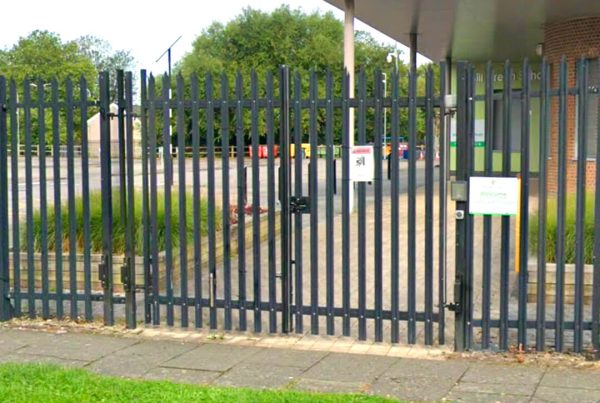
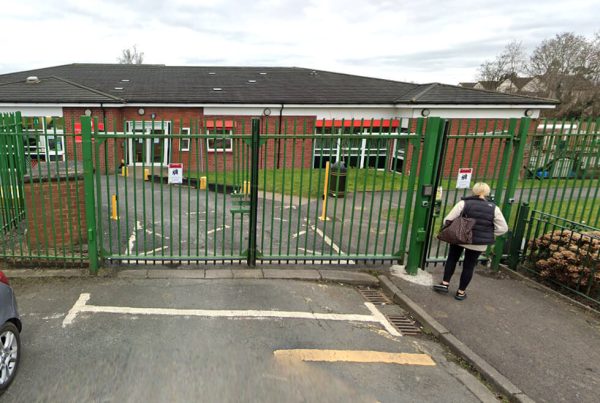
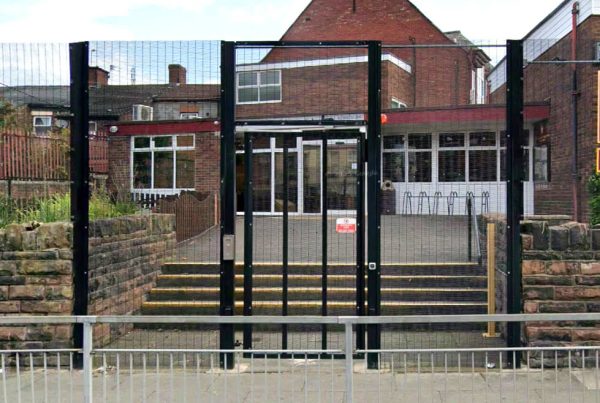
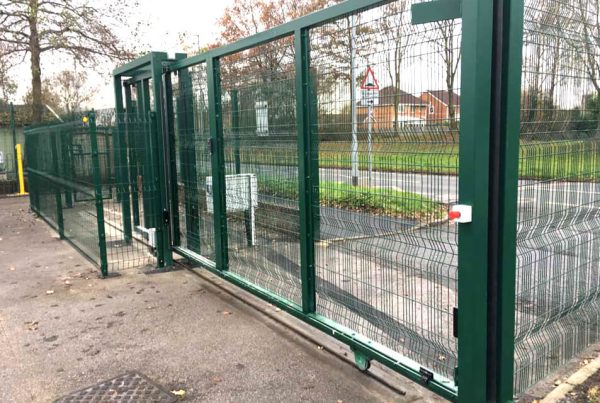
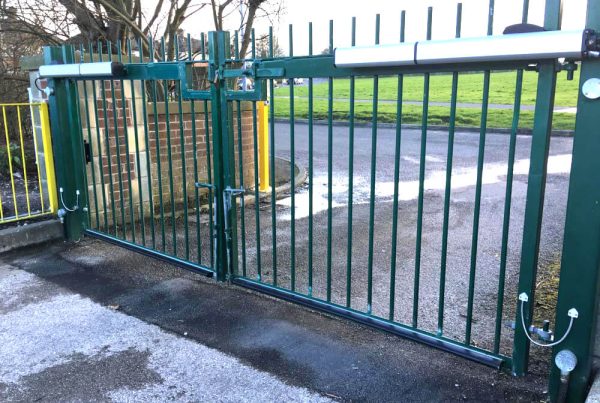
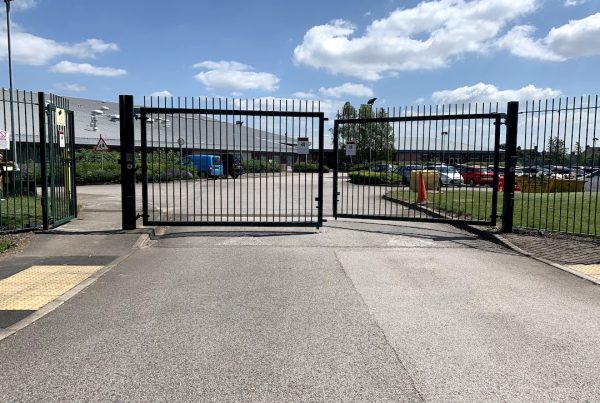


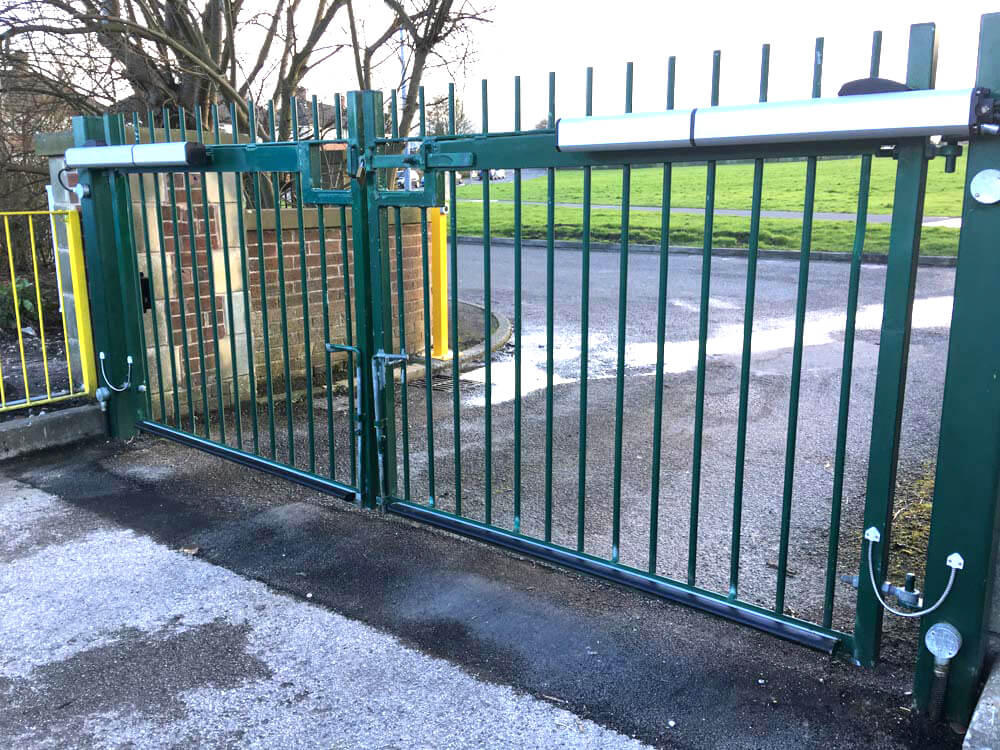
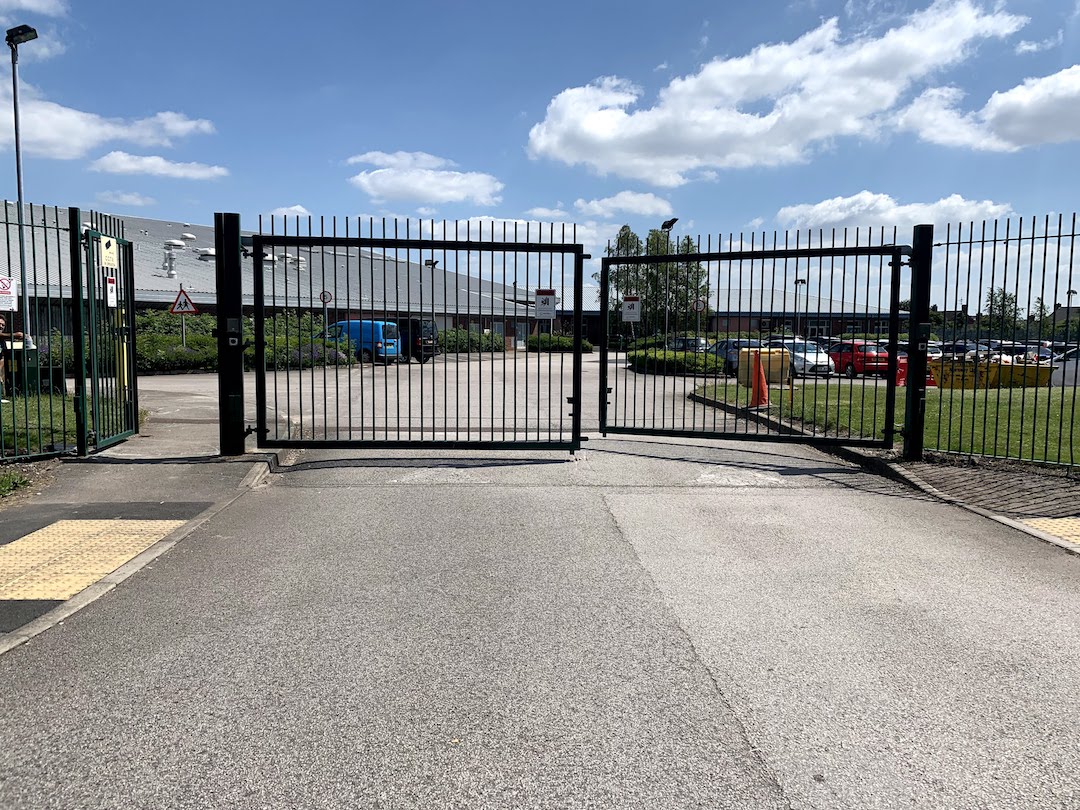
Secure your site with automated vehicle gates built to last. Contact Mere UK today to discuss your requirements or to arrange a free consultation.